God, Nemesis, and the Wheel of Fortune

Updated: Nov 26, 2025
What is the common link between the Christian God, the goddess Nemesis, and the Wheel of Fortune? Nemesis is the goddess of justice, rolling the wheel of fortune. How is she different from the Christian God? Is the Christian God anything like the goddess Nemesis, venerated in Ancient Smyrna?
Nemesis: the Goddess of Justice in Smyrna
In my historical fiction, Apostle Junia visits Smyrna, known for its worship of Nemesis, and for its twin statues of Nemesis at their famous temple dedicated to her.
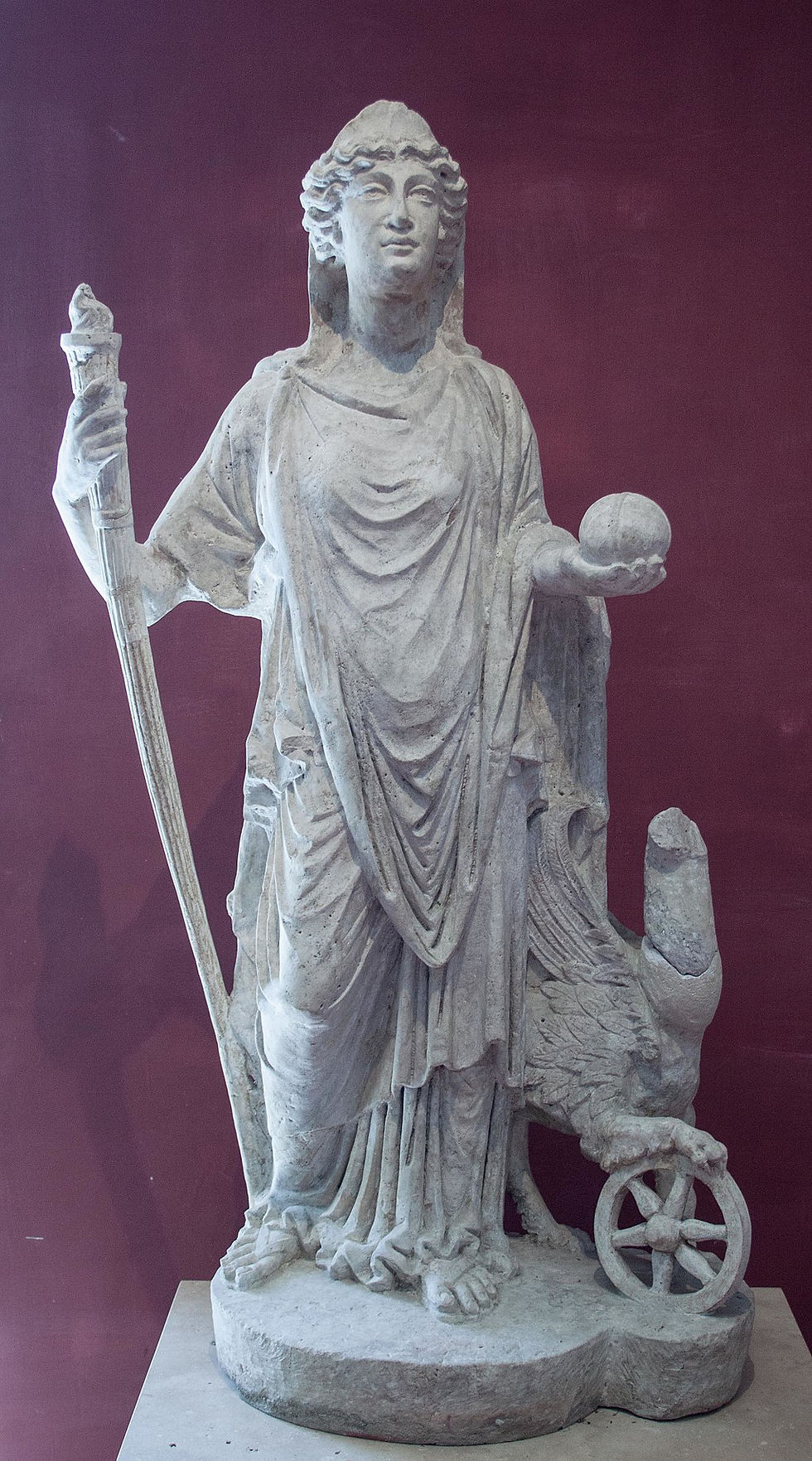
Nemesis is the Greek goddess of divine justice: retribution and rewards. The name Nemesis means one who dispenses what is due.
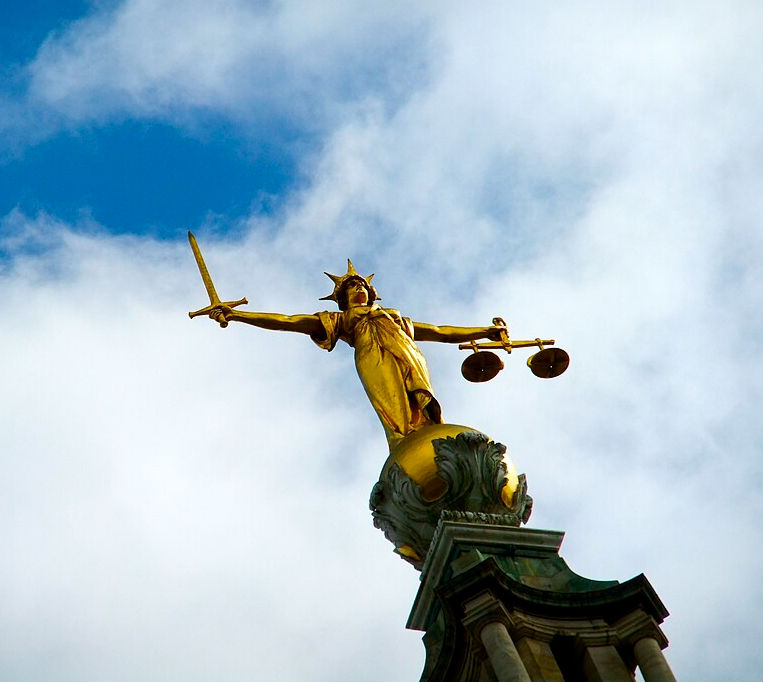
She is often pictured with a flaming torch in her right hand and holding the universe as a globe in her left. The griffon beside her serves as her agent to deliver just retribution. Beside her is the wheel of fortune, which shows that the consequences of your actions are unavoidable. Nemesis is unstoppable. She will punish those who are arrogant, evil, or exploitative. She will reward those who are downtrodden. The wheel of fortune is inevitable. Sometimes, she is shown with the scales of justice, showing how she balances retribution and rewards. She may carry a sword to symbolize her authority to enforce judgments.
When Apostle Junia visits Smyrna, announcing that Jesus brings deliverance from oppression, they ask her how that is different from Nemesis.
Does Justice mean Vengeance? Does God require all people to Be More Humble?

Are humans so enamoured with the idea that each will get what's coming to them? That a person's actions are justly rewarded with either punishment or prizes? It seems a popular idea. The Wheel of Fortune game show has been a staple on TV since 1975. And the concept is comparable to the Eastern concept of Karma, where a person's actions determine their future fate; your destiny is a consequence of your choices.
Today, Nemesis is often thought of as the goddess of vengeance. We talk about meeting our Nemesis, meaning a huge challenge. Roller coasters are called the Nemesis. Our Nemesis is the unstoppable force that opposes our rule. Those in positions of power compare an obstacle to success to meeting their Nemesis. She brings down the arrogant and those who exploit others and take more than their due. She humbles the proud.
Dual Sides of Justice
But Nemesis is great news for those who have been downtrodden and exploited and have low self-esteem. She uplifts the lowly and frees them.
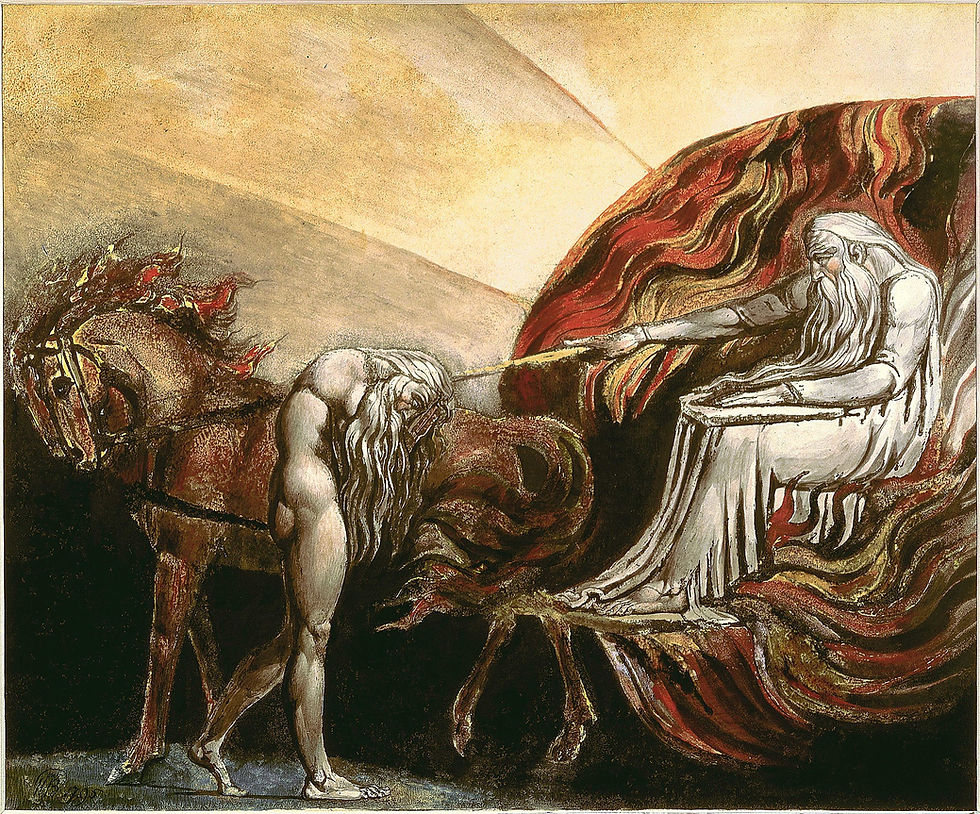
In a similar way, many Christians see God's justice delivering punishment and revenge. Christian leaders warn of the need to be humble so as to avoid God's condemnation. But is this message important for all people? It is important for those who are proud or arrogant. Maybe the Christian preaching about Be More Humble is coming from men for men, to meet the predominant needs of men.
But doesn't God's justice also deliver freedom for the enslaved and uplift those who have been subordinated or marginalized? Maybe the preaching to be more humble is the opposite of what is needed to be heard by those who have been subjugated and sidelined.
I usually steer away from generalizing by gender, since all men are not the same and all women are not the same. However, if the male pastor assumes all the congregation has the same needs as he does, he may be only right for most of the men in his congregation. Maybe (most) women have different needs. Too many women I encounter are already so humble that they are ashamed and debased. Maybe women need to be told to be less humble, because Jesus lifts up the lowly and makes us equal. They need to be encouraged and empowered. God's Spirit should make us confident and bold.

God's justice corrects the male apostles who think Jesus should only spend time with men, and Jesus invites the unimportant women and children to come to him, then tells the men to become like children. Jesus makes the proud more humble and uplifts those who were put down. Justice would punish those who exploit and reward those who have been oppressed. Justice would give generously to those who see themselves as undeserving. Justice would reward those who love "the other".
I talk about the balance of being humble, arrogant, or having just the right amount of self-confidence in my self-help book: Walk with Mara on Her Healing Journey: 21 Steps to Emotional Resilience. As I researched it, I found time and again the church taught that all people should be more humble. The assumption was that all members of the congregation are self-confident and proud. That's not what I see in the women I know (and in some of the men).
How Does the Christian God Balance Divine Justice: Retribution and Rewards?
Amos predicts woe for those who are selfish or prideful or self-indulgent, and calls on justice and righteousness to punish the evil and reward the righteous. Amos promises that those who work will eventually get the same rewards as those who are currently enjoying the harvest.
"But let justice roll down like water and righteousness like an ever-flowing stream." (Amos 5:24 NRSVUE)
"The time is surely coming, says the Lord, when the one who plows shall catch up with the one who reaps and the treader of grapes with the one who sows the seed; the mountains shall drip sweet wine, and all the hills shall flow with it. I will restore the fortunes of my people, Israel, and they shall rebuild the ruined cities and inhabit them; they shall plant vineyards and drink their wine, and they shall make gardens and eat their fruit." (Amos 9:13-14 NRSVUE)
Mary, Jesus's mother, prophesied that Jesus would bring down the powerful and uplift the marginalized.
for the Mighty One has done great things for me, and holy is his name; indeed, his mercy is for those who fear him from generation to generation. He has shown strength with his arm; he has scattered the proud in the imagination of their hearts. He has brought down the powerful from their thrones and lifted up the lowly; he has filled the hungry with good things and sent the rich away empty. (Luke 1:49-53 NRSVUE)
Isaiah comforts God's people by prophesying that Jesus will lift up the downtrodden:
Every valley shall be lifted up, and every mountain and hill be made low; the uneven ground shall become level, and the rough places a plain. Then the glory of the Lord shall be revealed... (Isaiah 40:4-5 NRSVUE)
John celebrates God's justice for punishing the "whore of Babylon". While it's convenient to think God is not going to punish men or "good Christian men", but only females who are prostitutes, that is not what punishing the "whore of Babylon" means.
Babylon is any global oppressor. Since Babylon once captured and oppressed Israel, the Bible uses the word Babylon to represent any global oppressor. In the New Testament era, the great oppressor is Rome, and the New Testament writers use Babylon as a code word for Rome:
Peter sends his greetings "from Babylon" (1 Peter 5:13).
John calls Babylon the mother of harlots (Revelation 17:5) and predicts the fall of Rome (Revelation 18:2)
The Bible uses the word "whore" to indicate Israel's unfaithfulness to God (it's not about a woman being a sinner).
God tells Hosea to marry an adulterous wife as a symbol of God marrying an unfaithful people. The nation is described as having a "spirit of whoredom" (Hosea 1:2, 4:12-15)
Jeremiah accuses Israel of being like a whore by worshipping other gods: "You have prostituted yourself with many lovers" (Jeremiah 3:1 NRSVUE)
Ezekiel describes Jerusalem as a whore or prostitute or a wife who commits adultery with other nations. "You prostituted yourself with the Assyrians because you were insatiable; you prostituted yourself with them, and still you were not satisfied. You multiplied your prostitution with Chaldea, the land of merchants, and even with this you were not satisfied." (Ezekiel 16:28-29 NRSVUE)
What Does the Lord Say to Smyrna?
Smyrna is one of the seven churches named in Revelation. Only Philadelphia and Smyrna receive praise and not condemnation. Smyrna is commended for being dead but coming to new life, for being materially persecuted but becoming spiritually rich. The vision shows that after they endure and overcome their troubles, Christ awards them a crown of life.
“And to the angel of the church in Smyrna write: These are the words of the First and the Last, who was dead and came to life: “I know your affliction and your poverty, even though you are rich. I know the slander on the part of those who say that they are Jews and are not but are a synagogue of Satan. Do not fear what you are about to suffer. Beware, the devil is about to throw some of you into prison so that you may be tested, and for ten days you will have affliction. Be faithful until death, and I will give you the crown of life. Let anyone who has an ear listen to what the Spirit is saying to the churches. Whoever conquers will not be harmed by the second death. (Revelation 2:8-11, NRSVUE)
The people of Smyrna seem to be rewarded for understanding that "getting one's due" can mean both death and life, both retribution for the proud and rewards for the marginalized. Perhaps this lesson has helped them remember to care for others.
How is Nemesis different from the Christian God?
Junia visits Smyrna as an apostle, delivering the good news of Jesus, and the people there ask her how Jesus is different from Nemesis. Both deliver justice, including retribution, bringing down the proud, and rewards uplifting the marginalized.
I based Junia's response in part on what the Lord tells Smyrna about the old life and the new life, the hardship being followed by rewards. Here is an excerpt from my novel:
“But if your God brings justice, how is that different from Nemesis?” The woman looked at her statue. “Look, Nemesis is holding the wheel of fortune. As she rolls it, people will inevitably get what they deserve: rewards or revenge. Nemesis restores balance by rewarding those who do good and taking vengeance on those who exploit others.”
A few other shoppers stopped to hear Junia’s answer. She realized she didn’t need to shout from atop a crate. She smiled at them and offered them free figs to snack on.
“The God that I worship also pulls down those who act self-important and uplifts those who are timid. Our prophet Isaiah told us that God promised to send a deliverer who would raise up valleys and bring mountains low, making a level field.”
“How could you pick only one god?”
Junia thought the loving thing to do was to simply tell her own story and let others decide what to believe. She would not insist on her own way. “The Jewish teacher, Jesus, healed my son and me. It was a sign that he is the deliverer that Isaiah promised to us. When Maria became pregnant with Jesus, she prophesied that he would fill the hungry with good things and send the wealthy away empty-handed.”

...“You say that Nemesis rolls the wheel of fate to distribute both rewards and retribution,” said Junia. “Smyrna has a dual nature: the old city and the new one rebuilt by Alexander the Great. Smyrna was poor, but now, it is rich. In the same way, the God I worship is overturning the old ways and bringing the new. I was ill, but Jesus healed me. I was in prison, but now I am free. Jesus was dead, but now he is alive. The end is the beginning.”
Some ridiculed her for speaking in riddles. Who was she to teach religion when their city had famous teachers?
But it didn’t bother Junia. She knew she had done her part. She had spread the seeds as Jesus had called her to do. The listeners would work out what they believed. Some would have ears to understand, and their faith would take root. Junia was overcome with a feeling of contentment.
taken from Finding Her Voice, Acts of Early Female Apostles: A Novel.
Conclusion
The Christian church today often portrays God as a judge, eager to condemn people. Many preach that all people need to be more humble.
But maybe the message to be more humble is taught because the (mostly) male preachers experience the need to remember to be more humble. Maybe the message needed for listeners who have been put down and told they are born to be subordinate is that God uplifts and empowers them. Maybe if we listened to the marginalized voices, we would hear not only about the need for those who are proud to be humble, but also about the need for those who are marginalized to be uplifted.
The God of the Bible is portrayed as issuing justice that frees the marginalized people from those who arrogantly oppress and exploit others. It is not good news for those who remain self-important and puffed up with pride, but it is great news for those who have been put down as subordinate. That's why Christianity attracted so many slaves, freedmen, and women in its first few centuries.
We need to deconstruct the union of Christianity with hierarchical power structures that use power to oppress others. We can reconstruct the union of Christianity with justice and righteousness, pulling down the proud and uplifting the marginalized. That is the God of the Bible.
The good news is not about judging those who don't believe in Jesus. It's about judging those who don't follow Jesus's Way: the way of love, service, justice, and peace.
Elaine Ricker Kelly Author is empowering women with historical fiction about women in the Bible and early church and Christian blogs about women in leadership, church history and doctrine. Her books include:
Forgotten Followers from Broken to Bold, Book 1 (2022)
The Sword: A Fun Way to Engage in Healthy Debate on What the Bible Says About a Woman's Role (2023)
Because She Was Called: from Broken to Bold, Book 2, A Novel of the Early Church, imagines Mary Magdalene's trip to testify before the emperor (2024)
Walk with Mara on Her Healing Journey: 21 Steps to Emotional Resilience (2024)
Finding Her Voice, from Broken to Bold Book 3, Acts of Early Female Apostles: A Novel (2025)


Comments